
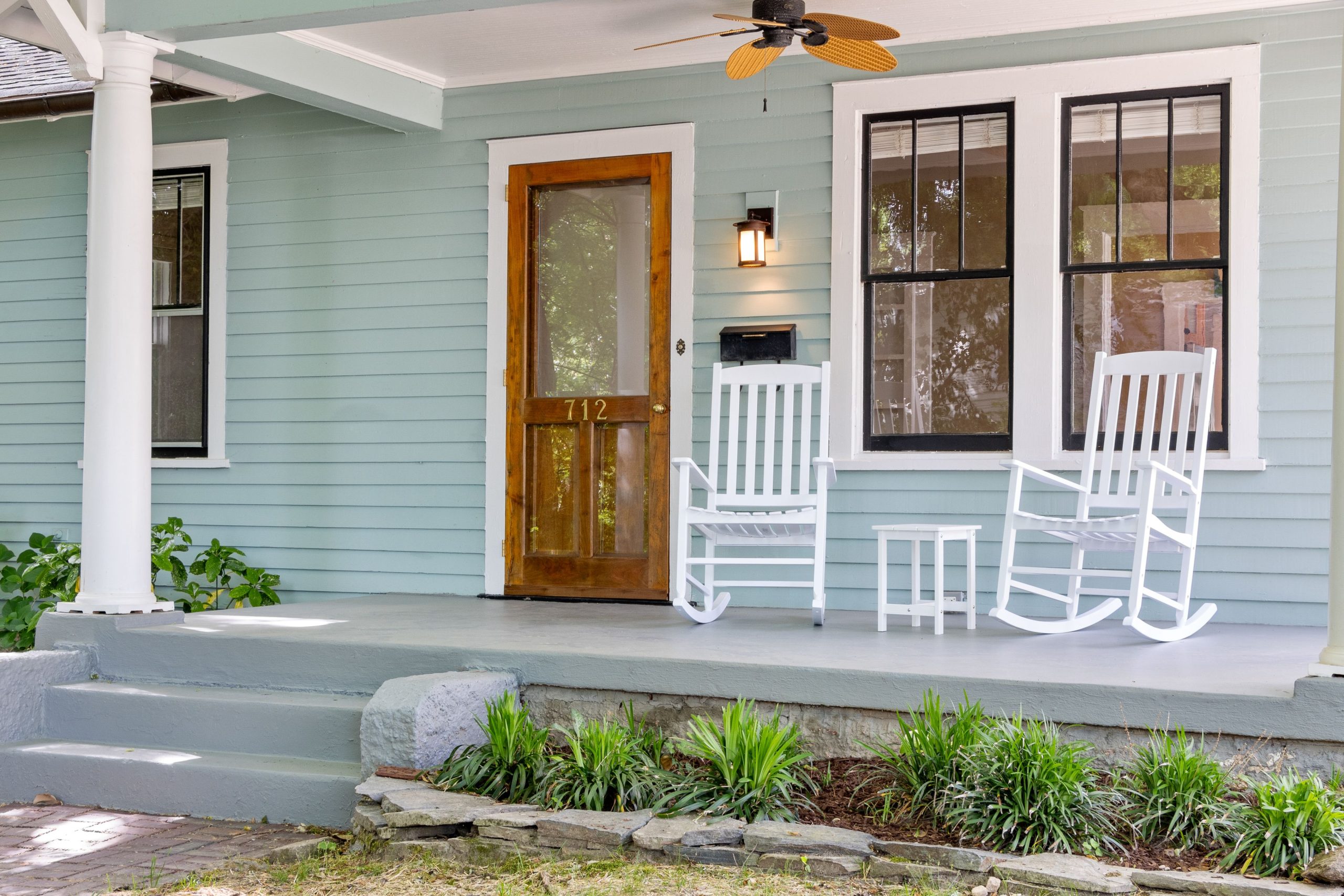
Most people think of a peaceful home as something created indoors, with soft lighting, uncluttered rooms, and quiet furniture. The outside of the house matters just as much. The view from the street, the sound of your gate, and the path you walk each evening all set the tone before you step inside. The good news is that you do not need a renovation to change how your exterior feels. A few deliberate, low-cost adjustments can make the whole property look and feel more settled.
Table of Contents
- Start With a Restrained Color Palette
- Layer Plants for Softness
- Light the Path, Not the Whole Facade
- Use Stone Paths and Clear Lines
- Build a Small Outdoor Room
- Choose Materials and Maintenance That Stay Calm
- Final Thoughts
Start With a Restrained Color Palette
Color is usually the fastest way to change how a façade reads. Busy contrasts, multiple accent colors, and high-gloss trim can make a house feel crowded, even when it is tidy. A calmer approach uses a base color in soft, natural tones and limits the number of accents.
- Choose one main wall color and one trim color that sit close together on the color wheel.
- Keep the front door as the only bold accent, if you want one.
- Test paint samples on the actual wall, because north and west light change tones dramatically.
- Consider a matte or eggshell finish, which reflects less glare than high gloss.
Textured finishes also help. A lime or plaster-style render catches light gently across the day, which avoids the flat, harsh look of a single painted sheet. The effect is quiet and steady, which is exactly the feeling you want.
Layer Plants for Softness
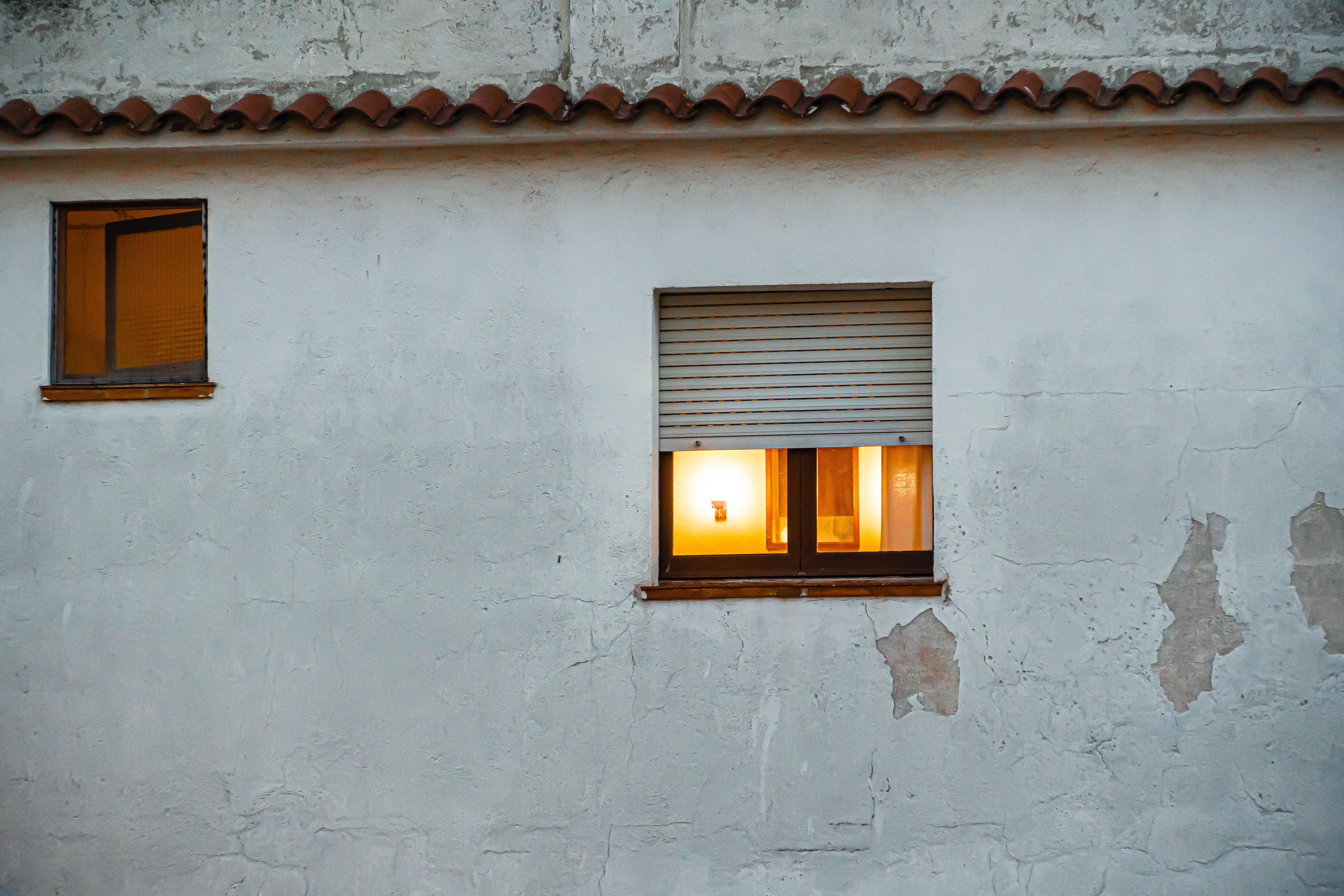
Hard edges make a property feel tense, and plants are the simplest way to soften them. Layering matters more than plant count. A mix of ground cover, mid-height shrubs, and a few taller specimens creates depth, and depth tends to feel restful because the eye can settle instead of scanning for the next focal point.
There is also research behind the appeal of greenery. A study published in PMC found that viewing certain foliage colors was linked to physiological relaxation and more positive feelings such as calmness and comfort in participants. You do not need to recreate that experiment in your yard, but it supports a practical rule: favor greens and softer foliage tones near windows and seating areas.
- Plant evergreens along the boundary to block visual noise from the street.
- Use the same two or three plant varieties repeatedly for a cohesive look.
- Leave some open space between plantings so the garden does not feel overgrown.
- Choose plants suited to your climate to reduce watering and upkeep.
Light the Path, Not the Whole Facade
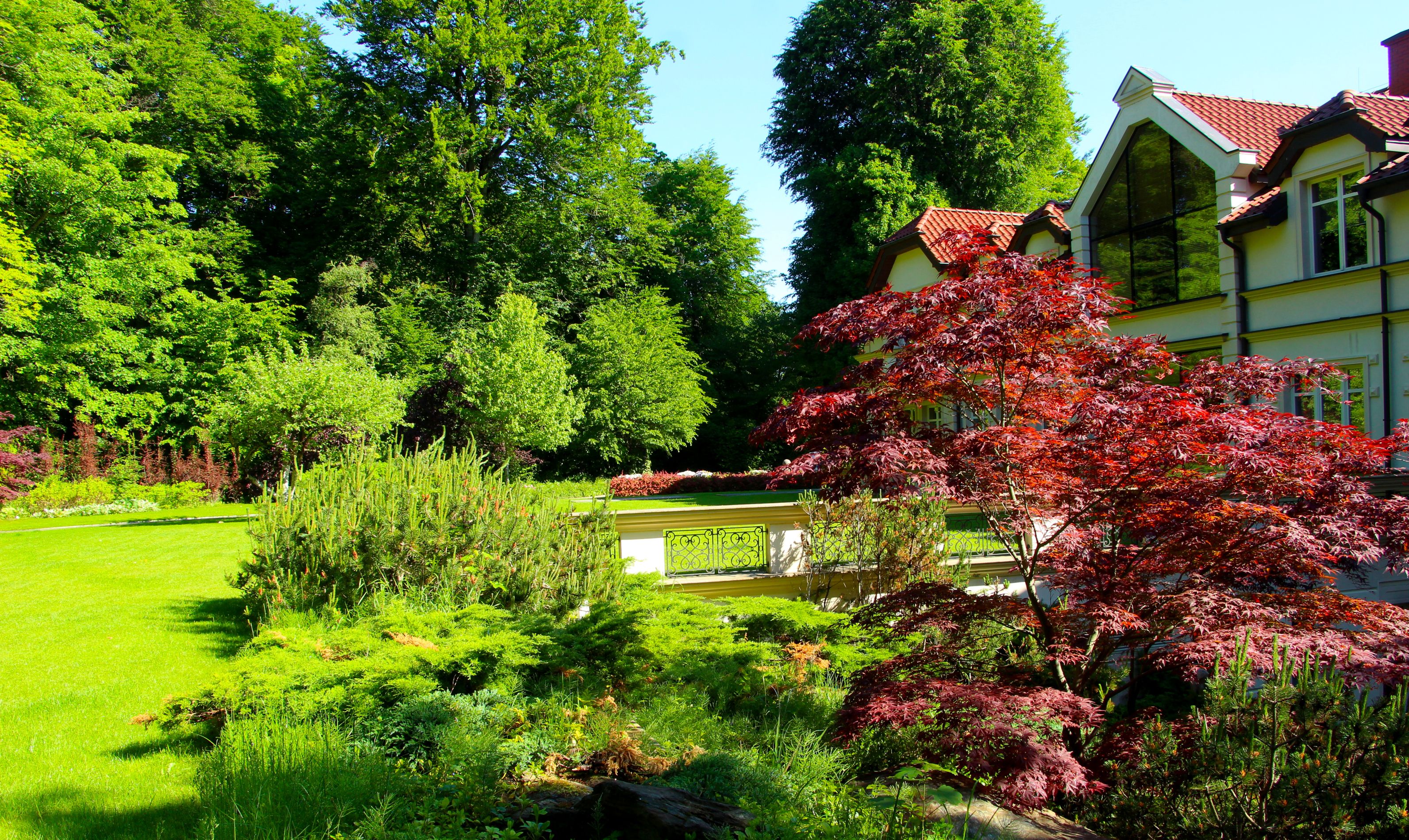
Lighting is where many exteriors go wrong. Floodlights on every corner make a home look like a parking lot, and the glare can disturb both you and your neighbors. A calmer scheme lights the places people actually use, such as the front door, steps, and walkway, with low, warm light.
The U.S. Department of Energy notes that lighting accounts for roughly 15% of an average home’s electricity use, so efficient choices also help. Its Guide to Energy Efficient Lighting recommends LEDs and controls such as timers and dimmers, which are well suited to exterior fixtures that run for hours each night.
- Use warm color temperatures, typically around 2700K to 3000K, for a softer glow.
- Shield fixtures so light points down, not into windows or the street.
- Add timers or dusk-to-dawn sensors so lights come on and off without thought.
- Keep a few low-level lights along the path rather than one bright source.
Use Stone Paths and Clear Lines
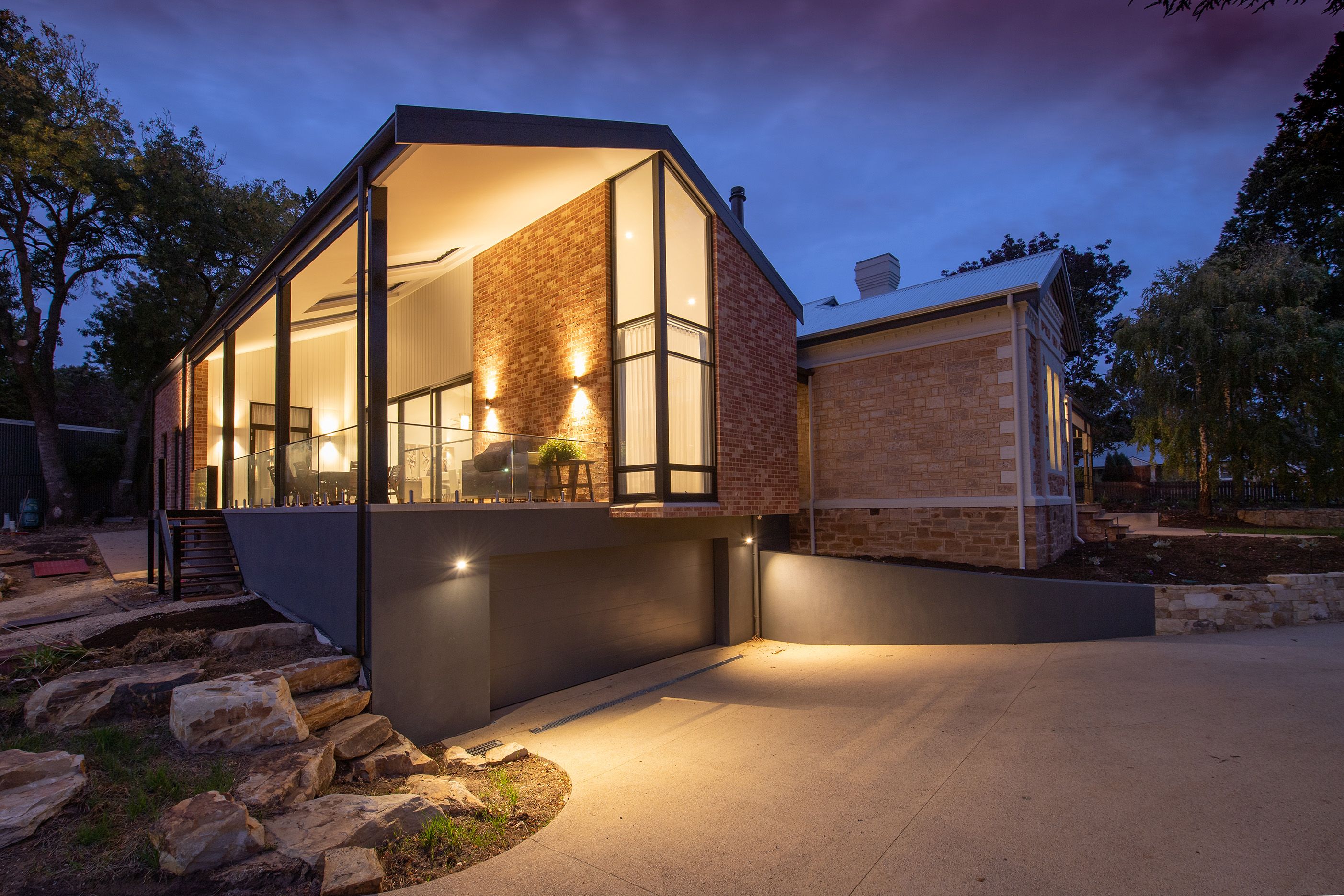
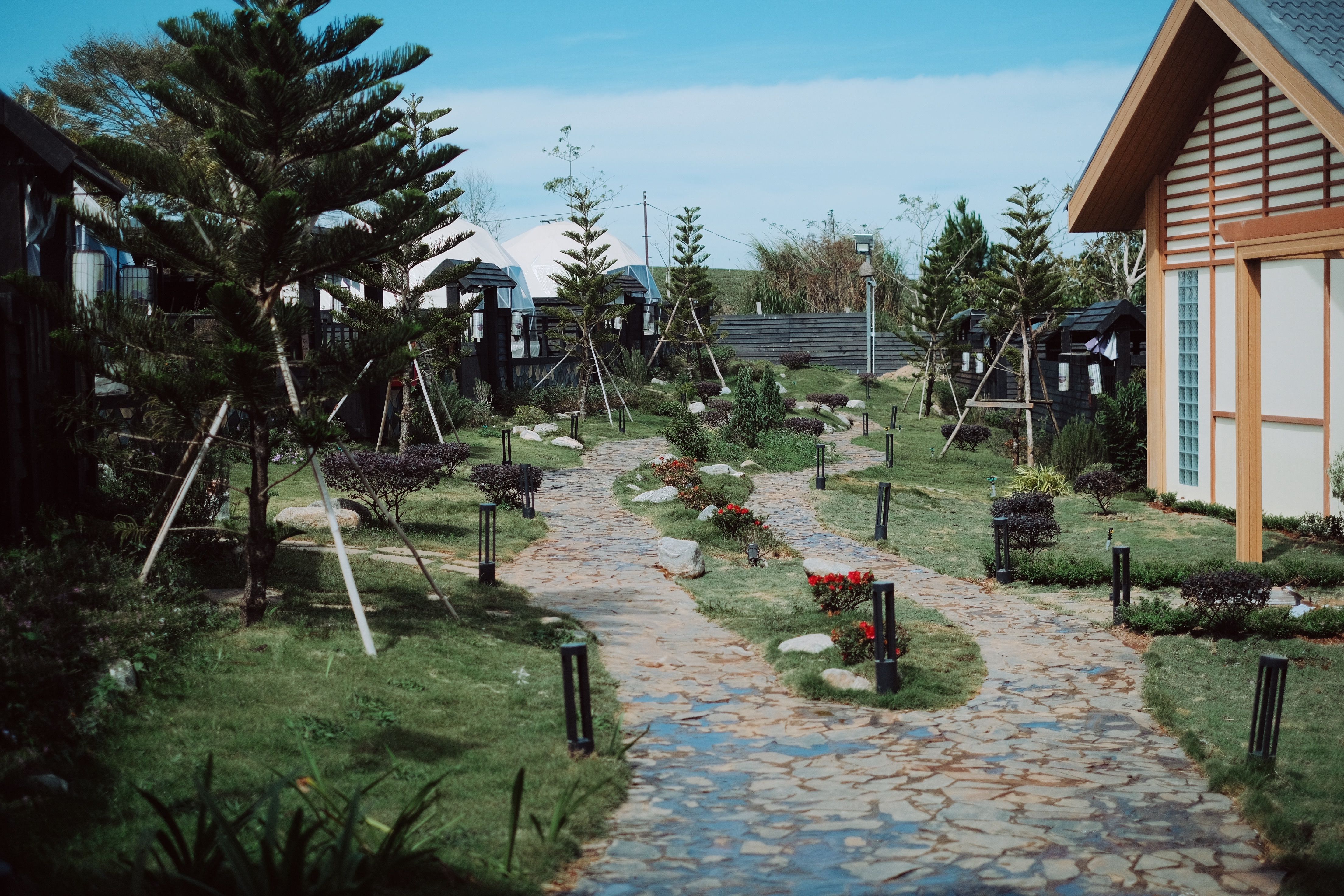
A simple, well-defined path does more for a sense of calm than almost any ornament. Natural stone, gravel, or pavers laid in a consistent pattern create a clear route from the street to the door. The path itself becomes a small ritual: you slow down, notice the surroundings, and arrive.
Japanese-inspired gardens use this principle well. They rely on restraint, with few materials, open spaces, and paths that curve gently rather than cutting straight across the lawn.
- Pick one or two path materials and repeat them across the property.
- Set stepping stones with enough space for a comfortable stride.
- Edge the path with low planting or a simple border to keep lines crisp.
- Leave some gaps of moss or ground cover for a natural, unhurried feel.
Build a Small Outdoor Room
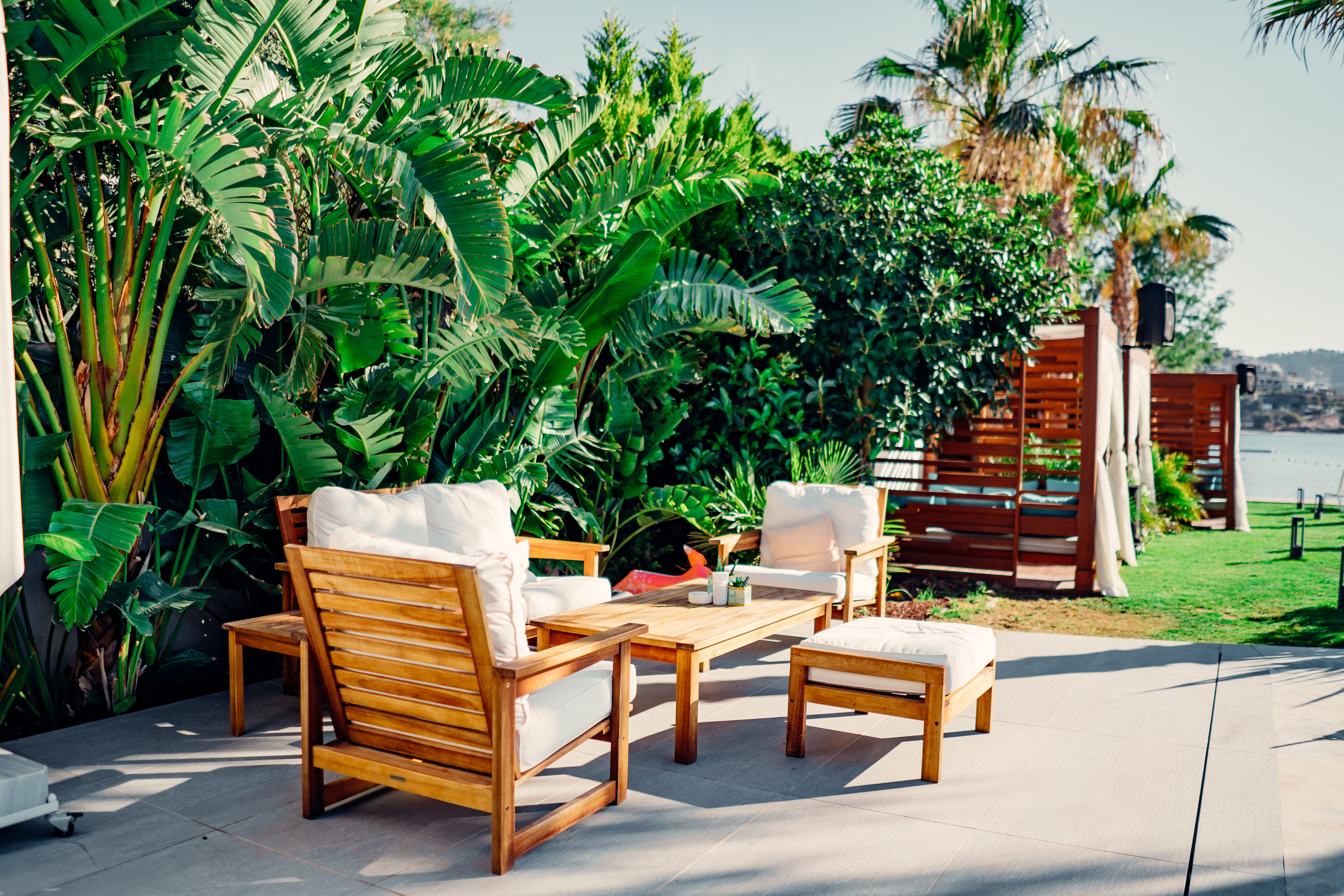
A peaceful exterior is not only something you look at. It is somewhere you use. Creating a small seating area, even a bench and a couple of chairs, gives the yard a clear purpose and a place to pause. Define the space with a rug or a change in paving, and add a screen of plants or a simple fence panel for a sense of enclosure.
Keep furniture natural and uncluttered. Wood, woven materials, and neutral cushions blend with greenery, and fewer pieces mean less visual noise.
Choose Materials and Maintenance That Stay Calm
Materials affect both looks and daily stress. A façade that needs constant repainting or a fence that warps every winter adds small worries to your week. Low-maintenance materials keep the exterior looking settled over time.
Composite options are one example. Products such as composite cladding offer the warmth of timber with less upkeep, which suits homeowners who want a natural look without frequent sanding and staining.
When comparing options, consider how much work each change requires and how much calm it brings in return:
Final Thoughts
A peaceful exterior comes from consistency rather than expense. Begin with the change that bothers you most, whether that is a glaring light, an overgrown boundary, or a front door lost in shadow. Once that is resolved, the rest tends to follow, because each improvement makes the next one easier to see. Walk your property at dusk with fresh eyes, note what feels rushed or harsh, and let that list guide your first weekend of work.